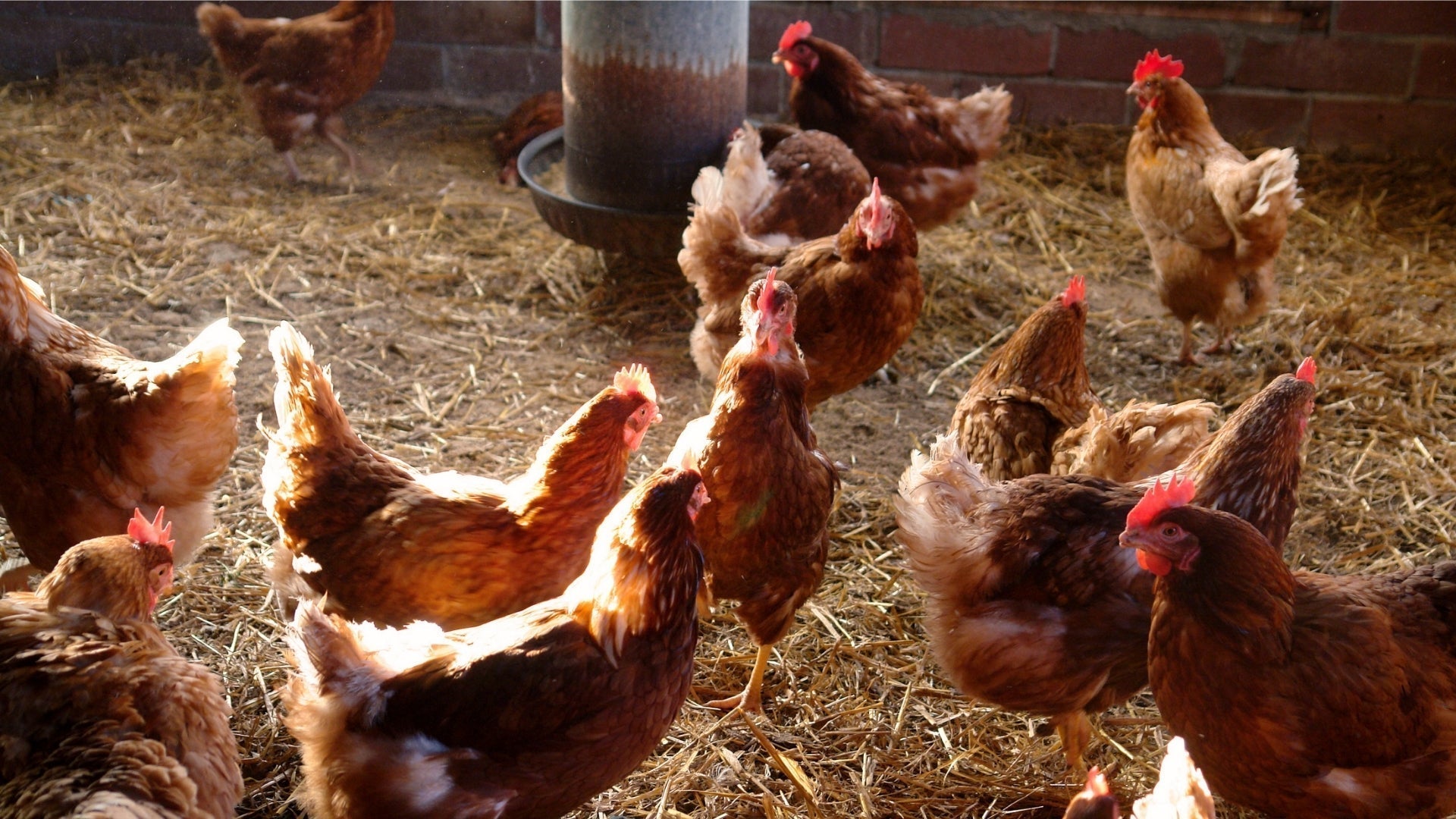
Birds are not actually the bird brains they're made out to be and are remarkably intelligent.
They're constantly assessing their environment, looking for food, identifying threats, and deciding whether an area is safe to land, feed, or nest.
That's exactly why relying on a single bird deterrent often delivers mixed results.
The most successful bird control programs use multiple deterrents that work together, creating an environment where birds no longer feel comfortable. Instead of presenting one obstacle, you're disrupting several of the bird's natural behaviours at once, making your site far less attractive.
Why Birds Can Become Used to Single Deterrents
Birds learn surprisingly quickly.
If they repeatedly encounter a deterrent that poses no real threat, they'll begin to ignore it. This process, known as habituation, is one of the biggest reasons bird control fails.
For example:
- A visual deterrent may initially frighten birds, but after several days they'll realise it never moves.
- A sound deterrent playing the same call repeatedly can become background noise.
- A single scare device in one location only affects part of the area, allowing birds to simply move elsewhere.
The goal isn't just to scare birds away once it's to convince them your property is consistently unsafe.
Birds Rely on Multiple Senses
Birds don't depend on just one sense to survive.
In fact they navigate by sight and communicate with sound and constantly process information from several sources.
- Sight – detecting predators, obstacles, food, and safe landing areas.
- Hearing – recognising alarm calls, distress calls, predator sounds, and flock communication.
- Smell and taste – important for some species when locating food or identifying unpleasant environments.
- Movement and environmental cues – helping birds determine whether an area is active or dangerous.
When you disrupt more than one of these senses simultaneously, birds receive conflicting signals that increase uncertainty and encourage them to leave.
Why Combining Bird Deterrents Works Better
Think of bird control like home security.
One locked door helps.
A locked door, alarm system, cameras, motion sensors, and lighting provide much stronger protection.
Bird deterrents work the same way.
Each deterrent has strengths, but combining them creates an effect that's far greater than using any one solution alone.
This layered approach:
- Creates multiple perceived threats.
- Reduces the chance of habituation.
- Covers different bird behaviours.
- Protects larger areas.
- Improves long-term effectiveness.
Instead of giving birds one problem to solve, you're creating an environment that's simply not worth the effort.
Laser Bird Deterrents + Bioacoustic Systems: A Powerful Combination
One of the most effective combinations is pairing laser bird deterrents with bioacoustic bird deterrents, or bioacoustic deterrents with predator kites
Laser Bird Deterrents
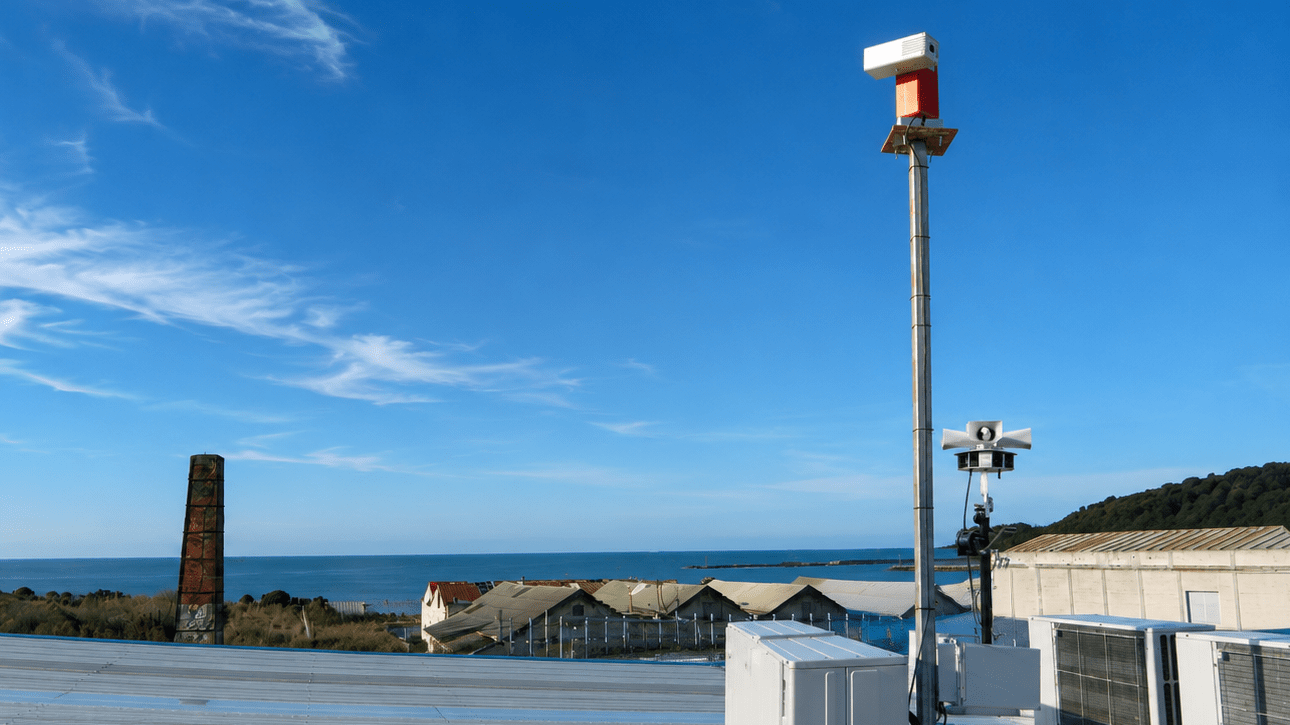
Green laser systems create a moving beam that birds perceive as a physical threat approaching them.
Because birds rely heavily on vision to detect danger, they'll often leave before the laser reaches them.
Birdzout lasers provide silent, automated protection over large areas and random beam movement to further prevent habituation.
View Birdzouut Lasers
Bioacoustic Bird Deterrents
Bioacoustic systems target a completely different sense.
Rather than relying on sight, they play carefully selected bird distress calls, predator calls, and harassment sounds that signal danger.
Birdzout systems randomise the sounds and timing, preventing birds from becoming accustomed to repeated playback.
The result is a constantly changing environment that birds struggle to predict.
View Birdzout Bioacoustic Units
Jackite Predator Kites
Predator kites are a realistic bird of prey that mimics a bird in flight and diving and swooping in the breeze
When used in conjunction with the bioacoustic units, the birds associate the pest bird distress sounds and harassment cries with the kite - increasing the deterrent effect.
View Jackite Predator Kites
Together They Create Greater Pressure
When birds both see danger and hear danger, the perceived threat increases dramatically.
Instead of processing one warning signal, they're receiving multiple indicators that the area is unsafe.
This makes birds more likely to:
- Leave sooner.
- Stay away longer.
- Avoid returning.
- Choose an alternative location.
It's this combination that makes integrated bird management so effective.
Frequently Asked Questions
Is it better to use more than one bird deterrent?
Yes. Using multiple bird deterrents creates a stronger perception of danger by targeting different bird senses, making birds less likely to become accustomed to the deterrents.
What bird deterrents work best together?
One of the most effective combinations is an automated laser bird deterrent paired with a bioacoustic bird deterrent. Together, they target both sight and hearing, increasing the perceived threat.
Why do birds ignore some bird deterrents?
Birds can become habituated if a deterrent never changes or poses no real danger. Combining different deterrents reduces habituation and improves long-term effectiveness.
How do I choose the right bird deterrents?
The best solution depends on the bird species, the size of the site, bird behaviour, and the level of bird pressure. Combining complementary deterrents typically provides the most reliable long-term results.
Use birds natural instincts to your advantage
Birds are adaptable, but they can only process so many warning signals before deciding it's safer to leave.
By combining bird deterrents that target multiple sensesyou create a far more convincing threat than any single deterrent can provide on its own.
Whether you're protecting vineyards, orchards, warehouses, food processing facilities, poultry farms, airports, or commercial buildings, a layered approach consistently provides the best long-term results.
Get in touch with our team to learn how this could work for your site