Wild birds have always been part of the farming landscape. But for poultry producers, they're much more than an inconvenience - they're one of the greatest biosecurity threats your operation faces.
Whether you manage a commercial broiler farm, free-range layers, breeder sheds or a small poultry enterprise, preventing wild birds from accessing your sheds, feed and water is one of the most effective ways to reduce disease risk and maintain productivity.
With Avian Influenza continuing to spread internationally and recent outbreaks in Australia and New Zealand, reinforcing the importance of strong biosecurity, proactive bird control has never been more important.
This guide explains why bird control matters, the risks wild birds create, and the practical steps poultry farmers can take to keep their flocks protected.
Why Wild Birds Are a Serious Biosecurity Risk
Wild birds regularly visit poultry farms looking for three things:
- Easy food
- Fresh water
- Safe shelter
Unfortunately, poultry farms provide all three.
Species such as sparrows, starlings, pigeons and blackbirds are attracted to feed lines, grain storage, open sheds and water systems. Once established, they can become daily visitors.
Even if they never make direct contact with your flock, they leave behind contaminated droppings, feathers and nesting material that can introduce harmful pathogens into your production system.
Diseases Wild Birds Can Introduce
Wild birds are known carriers of numerous diseases affecting poultry, including:
- Avian Influenza (Bird Flu)
- Salmonella
- Campylobacter
- E. coli
- Newcastle Disease (in affected countries)
- Internal and external parasites
While not every wild bird carries disease, reducing opportunities for interaction dramatically lowers the chance of transmission.
Strong biosecurity starts with reducing exposure.
Why Migratory Birds Increase the Risk
During migration seasons, thousands of birds move between countries and continents.
Waterfowl and shorebirds are recognised natural reservoirs for many Avian Influenza viruses. As migration increases, so does the chance of infected birds entering local environments.
Commercial poultry farms don't need infected birds landing inside sheds for problems to occur. Contaminated droppings around feed areas, access roads, water sources or equipment can still create a pathway for disease introduction.
That's why bird control should be viewed as preventative biosecurity - not simply pest management.
The Hidden Cost of Wild Birds
Many poultry producers only notice birds once numbers become significant.
By then, losses may already be occurring through:
- Feed consumption
- Feed contamination
- Increased cleaning costs
- Equipment fouling
- Damaged insulation
- Blocked ventilation systems
- Nesting in machinery
- Higher fly populations
- Increased disease risk
- Reduced bird welfare
A handful of sparrows quickly becomes dozens. Left unmanaged, they establish breeding populations that become increasingly difficult to remove.
Common Problem Birds Around Poultry Farms
In New Zealand, the most common pest birds include:
- House Sparrows
- European Starlings
- Feral Pigeons
- Blackbirds
- Mynas (where present)
Each species behaves differently, which is why successful bird control requires selecting the right deterrent for the situation.
Seven Ways to Reduce Wild Bird Presence Around Poultry Farms
1. Eliminate Feed Spills Quickly
Feed attracts birds faster than almost anything else.
Regularly inspect:
- Feed bins
- Conveyors
- Loading areas
- Feed augers
- Feeding systems
Cleaning spills immediately removes the main reason birds visit.
2. Prevent Access to Sheds
Keep doors closed whenever practical.
Repair damaged cladding, broken vents and gaps where birds can enter.
Small openings are all sparrows need.
3. Manage Water Sources
Standing water attracts both wild birds and insects.
Repair leaking drinkers, improve drainage and remove unnecessary water sources around sheds.
4. Remove Nesting Opportunities
Birds return to locations where they successfully nest.
Regular inspections of:
- Roof cavities
- Rafters
- Gutters
- Machinery
- Feed storage buildings
can prevent populations becoming established.
5. Use Humane Bird Deterrents
Modern bird control focuses on preventing birds from settling rather than removing them after they become established.
Depending on your site, effective solutions may include:
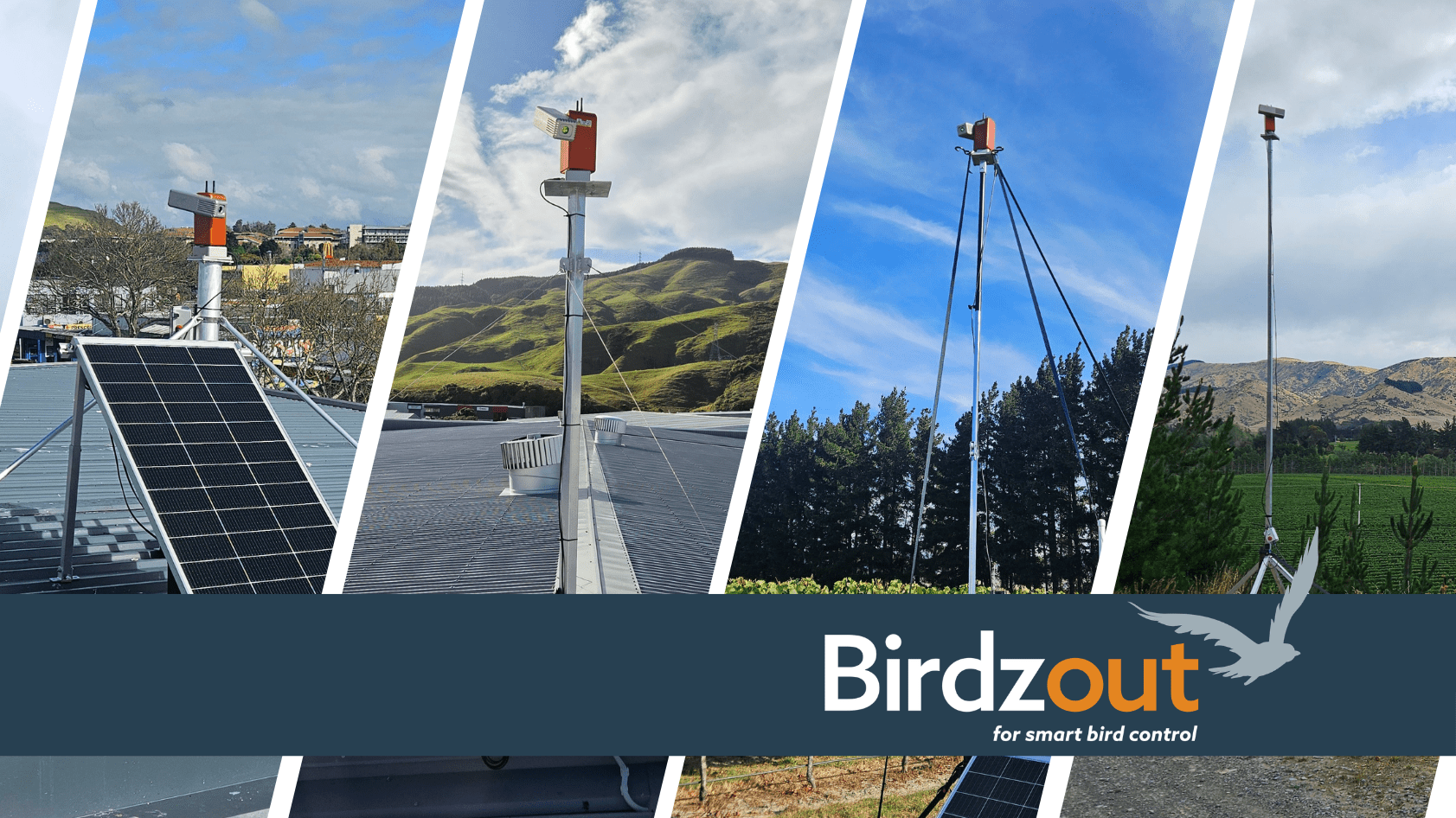
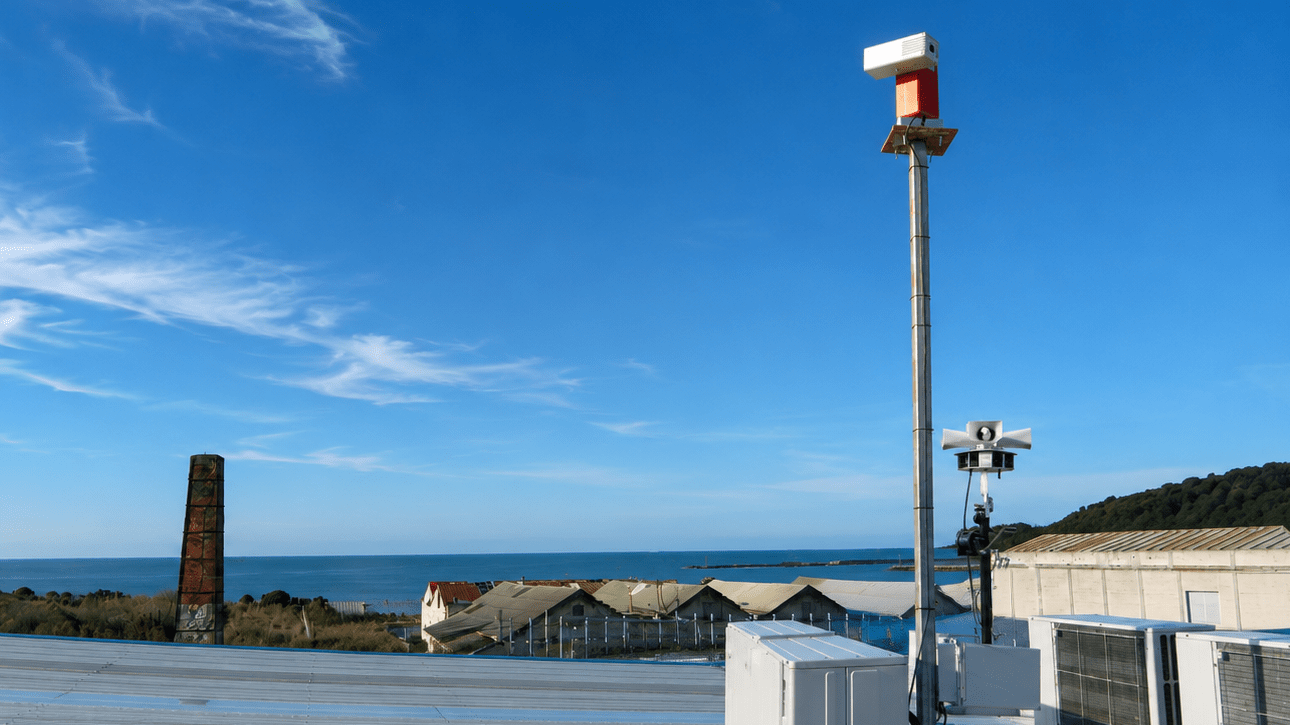
- Automated laser bird deterrents
- Bioacoustic systems
- Predator kites
- Bird proofing
- Live capture traps (where appropriate for pest species)
Using multiple complementary deterrents usually provides the best long-term results.
6. Reduce Attractants Around the Farm
Keep vegetation maintained around sheds.
Remove unnecessary perching sites.
Store waste feed securely.
Maintain good housekeeping across the entire property—not just inside poultry houses.
7. Act Early
One of the biggest mistakes farms make is waiting until birds become a major problem.
Once birds establish regular feeding or nesting habits, control becomes more difficult.
Early intervention is usually simpler, less expensive and more successful.
Bird Control Should Be Part of Your Biosecurity Plan
Biosecurity is often thought of as:
- Vehicle wash stations
- Visitor management
- Footbaths
- Protective clothing
These are all important.
But they only address human movement.
Wild birds ignore fences, gates and biosecurity signs.
If they're accessing your sheds every day, they create a continual pathway for contamination.
Bird control should therefore be considered an essential layer within every poultry farm's biosecurity programme - not something added after birds become a problem.
Why Reactive Bird Control Isn't Enough
Many farms only investigate bird control after seeing:
- Large flocks inside sheds
- Feed losses
- Heavy fouling
- Rising disease concerns
Unfortunately, by this stage birds have already established predictable feeding and roosting behaviour.
Proactive bird management focuses on preventing birds from becoming comfortable in the first place.
The earlier intervention begins, the better the long-term outcome.
Choosing the Right Bird Control Solution
No two poultry farms are identical.
The most effective solution depends on:
- Shed design
- Farm layout
- Bird species
- Bird numbers
- Nearby habitat
- Production system
- Biosecurity requirements
A tailored combination of deterrents usually provides the most reliable long-term protection.
Frequently Asked Questions
Why are wild birds attracted to poultry farms?
Wild birds are attracted by easy access to feed, water, shelter and nesting locations.
Can wild birds spread bird flu to poultry?
Yes. Wild birds, particularly waterfowl and migratory species, can carry Avian Influenza viruses and contaminate farm environments through droppings and other biological material.
What is the best way to keep sparrows out of poultry sheds?
The most effective approach combines good housekeeping, exclusion, habitat management and humane deterrents such as automated lasers, bioacoustic devices, bird proofing and trapping where appropriate.
Is bird control part of farm biosecurity?
Absolutely. Preventing wild birds from accessing poultry sheds is one of the most effective ways to reduce disease transmission risks and improve overall biosecurity.
Start today
Wild birds will always be present around farming environments - but they don't need to become part of your poultry operation.
By reducing attractants, preventing access and implementing proactive bird deterrent systems, poultry producers can improve biosecurity, protect flock health and reduce the risk of costly disease outbreaks.
The best time to strengthen bird control is before wild birds become established.
Protect Your Poultry Before Wild Birds Become a Problem
Every poultry farm is different, which is why Birdzout designs customised bird control solutions based on your sheds, bird pressure and biosecurity requirements.
Whether you're protecting broilers, layers, breeders or free-range poultry, our team can recommend a humane, long-term solution that helps reduce disease risk and supports your biosecurity programme.