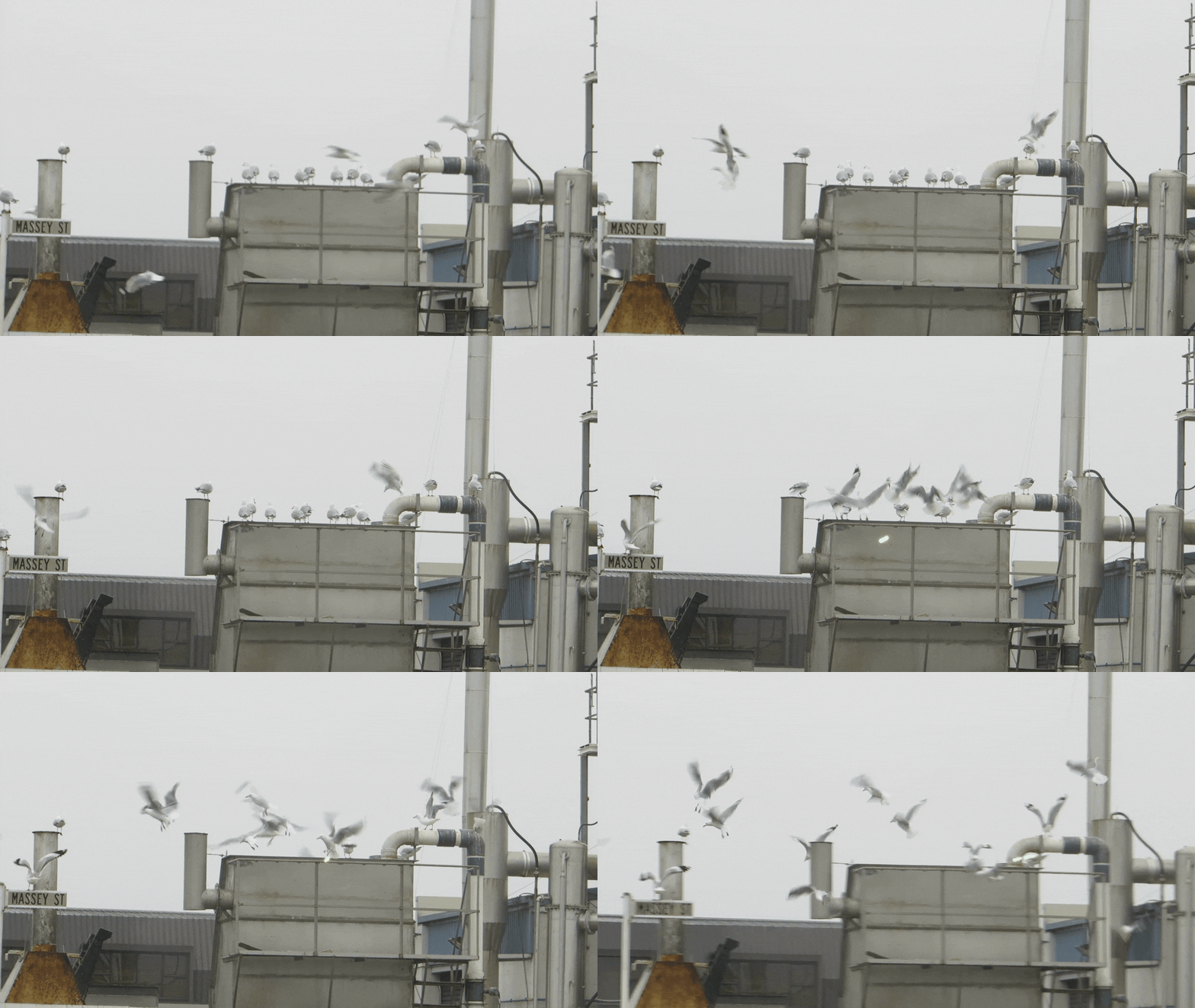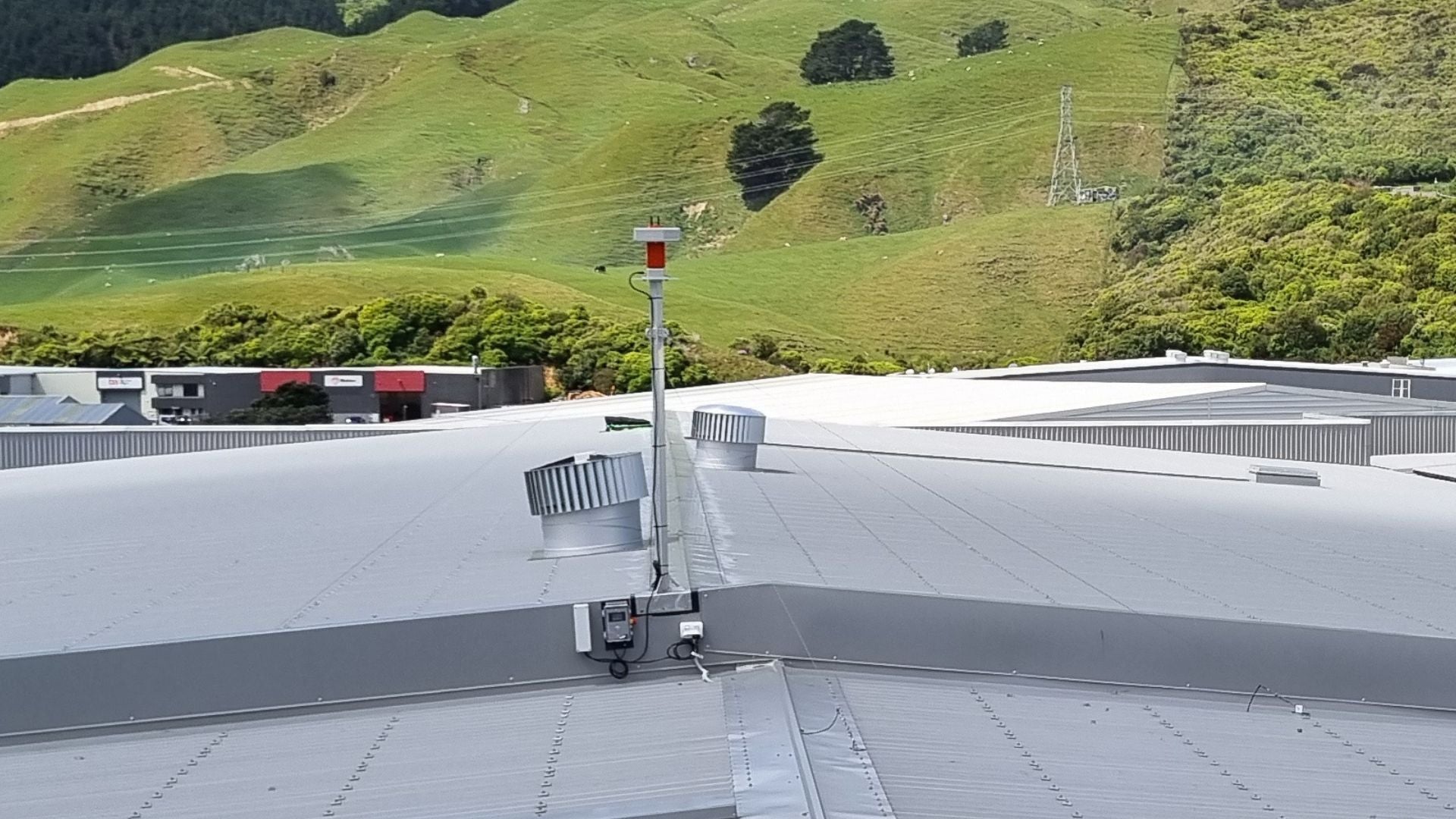

Autumn Is a High-Risk Transition Period
While spring is often associated with increased bird activity, autumn presents its own set of challenges for airport wildlife control teams.
This is the period where birds shift from breeding behaviour to survival mode.
As daylight hours shorten and environmental conditions change, bird movement patterns become less predictable and often more hazardous to aviation operations.
For airports, this means one thing:
Increased bird strike risk driven by movement, not nesting.
1. Seasonal Movement Increases Airspace Activity
Autumn triggers migration and regional movement across many bird species.
Rather than remaining in fixed territories, birds begin:
- Moving between feeding and roosting areas
- Travelling longer distances daily
- Relocating toward warmer or more resource-rich environments
This creates:
- Increased bird activity across approach and departure paths
- More frequent crossings of active runways
- Higher numbers of birds at varying altitudes
Unlike localised spring activity, autumn movement is dynamic and widespread, making it harder to predict and manage.
2. Flocking Behaviour Amplifies Bird Strike Risk
One of the most significant autumn changes is the formation of large flocks.
After breeding season:
- Adults and juveniles group together
- Territorial behaviour breaks down
- Birds feed and move collectively
For aviation, flocking is a critical risk factor.
A strike involving a flock can lead to:
- Multiple bird ingestion events
- Engine damage
- Flight disruption or emergency response
Autumn increases the likelihood of:
- High-density bird presence in operational areas
- Sudden, large-scale bird movements across airspace
3. Food Availability Draws Birds Into Airport Environments
As natural food sources decline, birds actively seek reliable feeding grounds.
Airports often provide exactly that.
Attractive features include:
- Grass areas supporting insects and seeds
- Standing water or drainage systems
- Adjacent land use such as agriculture or landfills
During autumn, birds become less selective and more opportunistic.
This results in:
- Increased time spent feeding on or near airfields
- Greater persistence once a food source is identified
- Repeat visitation by flocks
Once established, these feeding patterns can quickly become routine.
4. Feeding Intensity and Daily Movement Increase
Autumn is a period of high energy demand.
Birds increase feeding activity to:
- Build reserves for migration
- Prepare for colder conditions
- Sustain longer flight periods
Operationally, this leads to:
- Longer feeding windows throughout the day
- Increased movement between off-site feeding and on-site roosting areas
- Peaks in bird activity during early morning and late afternoon
These peak periods often align directly with high aircraft movement, increasing strike exposure.
5. Juvenile Dispersal Introduces Unpredictability
By autumn, newly fledged birds begin to disperse beyond their natal areas.
This adds complexity for wildlife control teams:
- Sudden increases in bird numbers
- Less predictable behaviour patterns
- Reduced responsiveness to traditional deterrents
Juvenile birds are typically:
- Less experienced around hazards
- More likely to enter active airspace
- Quicker to establish new feeding habits
This contributes to volatile and rapidly changing bird activity levels.
6. Reduced Territorial Behaviour Leads to Higher Density
During spring and summer, territorial behaviour naturally limits bird density.
In autumn:
- Territorial boundaries disappear
- Birds tolerate close proximity
- Mixed-species flocks become more common
This results in:
- Higher concentrations of birds in key areas
- Increased pressure on specific zones such as runways, taxiways, and infield areas
For wildlife control officers, this means bird activity becomes more concentrated and persistent, rather than dispersed.
What This Means for Airport Wildlife Control
Autumn bird pressure is driven by movement, flocking, and feeding behaviour not nesting.
This makes it:
- More dynamic
- Less predictable
- More difficult to manage reactively
Traditional, reactive dispersal methods can struggle when:
- Birds are present in large numbers
- Movement is continuous throughout the day
- New birds are constantly entering the area
The Importance of Proactive, Continuous Deterrence
To effectively manage autumn bird risk, airports need to focus on:
- Preventing birds from settling in the first place
- Reducing the attractiveness of the airfield as a feeding site
- Implementing wide-area, continuous deterrence systems
The goal is not just to disperse birds, but to:
- Disrupt behaviour patterns early
- Reduce repeat visitation
- Lower overall bird presence across the airfield
This is especially critical during autumn, when bird pressure can escalate quickly and without warning.
Autumn is not a low activity period for birds.
It is a high-movement, high-risk season for aviation.
Understanding how and why bird behaviour changes during this time allows wildlife control officers to move from reactive response to proactive risk management.
Because in aviation, reducing bird presence before it becomes a problem is always the safest approach.
Discuss solutions with our experts to help mitigate the risk of bird strike at your airfield
Talk to our experts + 64 3 789 6047