In many industries, birds are more than a nuisance. They are a biosecurity risk.
Food manufacturers, poultry producers, grain facilities, pharmaceutical plants, and processing sites operate under strict sanitation and contamination controls. When birds enter these environments, even briefly, they introduce a level of risk that can quickly escalate into operational, regulatory, and reputational problems.
One bird.
One second.
One fouling.
One compromised site.
The reality is simple: if a bird deterrent only activates after a bird arrives, the risk event has already happened.
Effective bird control in high-risk environments must be proactive, continuous, and preventative.
Why Birds Are a Serious Biosecurity Risk
Birds carry and spread a wide range of pathogens and contaminants that can affect both people and products.
Bird droppings, feathers, and nesting materials can introduce bacteria and fungi including Salmonellosis, Histoplasmosis, Cryptococcosis, and Psittacosis.
Bird feces can also contain harmful bacteria such as Escherichia coli infection and Campylobacteriosis, which can contaminate food, equipment, and surfaces.
Across commercial facilities, birds contribute to:
-
- Product contamination
- Equipment fouling
- Structural corrosion from acidic droppings
- Blocked drains and ventilation
- Increased insect activity
- Food safety audit failures
Even a single bird entering a food facility can trigger sanitation shutdowns, regulatory intervention, or production losses.
For regulated industries, this makes bird prevention a core part of site biosecurity.
High-Risk Environments That Require Proactive Bird Control
Food Manufacturing & Processing Plants
Food facilities provide everything birds need:
-
- Warm structures
- Shelter and roosting points
- Food odors
- Accessible loading docks
Bird activity around production lines or storage areas can lead to contamination events and failed inspections. In some cases, regulators can halt operations or require product recalls if birds or droppings are detected near food production areas.
This is why food safety standards emphasize exclusion and prevention, not simply removal after birds appear.
Poultry Farms and Biosecure Agriculture
Wild birds are known carriers of diseases that can devastate poultry operations.
One of the most serious threats is Avian Influenza, which has repeatedly entered poultry farms through contact with wild birds or contaminated environments.
For poultry producers, preventing wild birds from entering sheds, feed areas, and surrounding infrastructure is a critical component of farm biosecurity.
Even small breaches can introduce disease vectors.
Grain Storage, Feed Mills & Agricultural Facilities
Birds are naturally attracted to grain and feed storage.
Once birds begin feeding or roosting around silos and loading areas, contamination risks escalate quickly through:
-
- Droppings in stored product
- Feathers and debris
- Cross contamination between storage zones
Without preventative deterrence, these sites can quickly become long-term bird habitats.
Pharmaceutical & High-Sanitation Facilities
Facilities with strict contamination control requirements cannot tolerate wildlife activity near air intakes, roofs, or production areas.
Birds roosting on rooftops or HVAC systems increase the risk of debris and droppings entering ventilation systems, potentially compromising sterile environments.
The Limitations of Reactive Bird Control
Many modern bird deterrent systems rely on detection-based responses.
These systems typically use cameras, sensors, or artificial intelligence to detect birds and then activate deterrents once a bird is identified.
While this technology can be useful in certain applications, it has a fundamental limitation:
It reacts after the bird has already arrived.
By the time a bird is detected:
-
- It may already have landed
- It may already have fouled surfaces
- It may already have entered the structure
For biosecurity-sensitive sites, this delay matters.
Detection-based systems are designed to respond to bird activity, but biosecurity demands prevention of bird presence in the first place.
Why Proactive Bird Control Works Better
Proactive bird control focuses on making an area unattractive or unsafe for birds before they attempt to land.
Instead of reacting to bird presence, proactive deterrence creates an environment birds instinctively avoid.
This approach delivers several advantages:
Continuous Protection
Deterrence is active at all times, not just when a sensor triggers.
Wide Area Coverage
Birds are discouraged from approaching the site at all, rather than being removed once inside the risk zone.
Reduced Contamination Risk
Birds are prevented from landing, roosting, or fouling infrastructure.
Lower Maintenance Burden
Fewer cleaning events, emergency call-outs, and repeat infestations.
For pest control professionals and installers, prevention-based systems provide clients with far more reliable protection.
The Role of Wide-Area Deterrence
Bird behavior is largely driven by perceived risk.
If birds consistently encounter a deterrent signal across a large area they quickly learn to avoid the location entirely.
Wide-area deterrence systems are particularly effective because they:
-
- Cover large infrastructure footprints
- Protect rooftops, loading areas, and open spaces
- Operate continuously without waiting for detection triggers
This is why many modern bird management strategies combine physical exclusion methods (such as netting or spikes) with active wide-area deterrence technologies.
Designing an Effective Bird Control Strategy
For pest control companies and installers, effective bird management typically involves layered protection.
A well-designed system may include:
Structural deterrents
-
- Netting
- Spikes
- Exclusion barriers
Habitat management
-
- Removing food sources
- Sealing entry points
- Managing waste and standing water
Active deterrence
-
- Wide-area visual deterrents
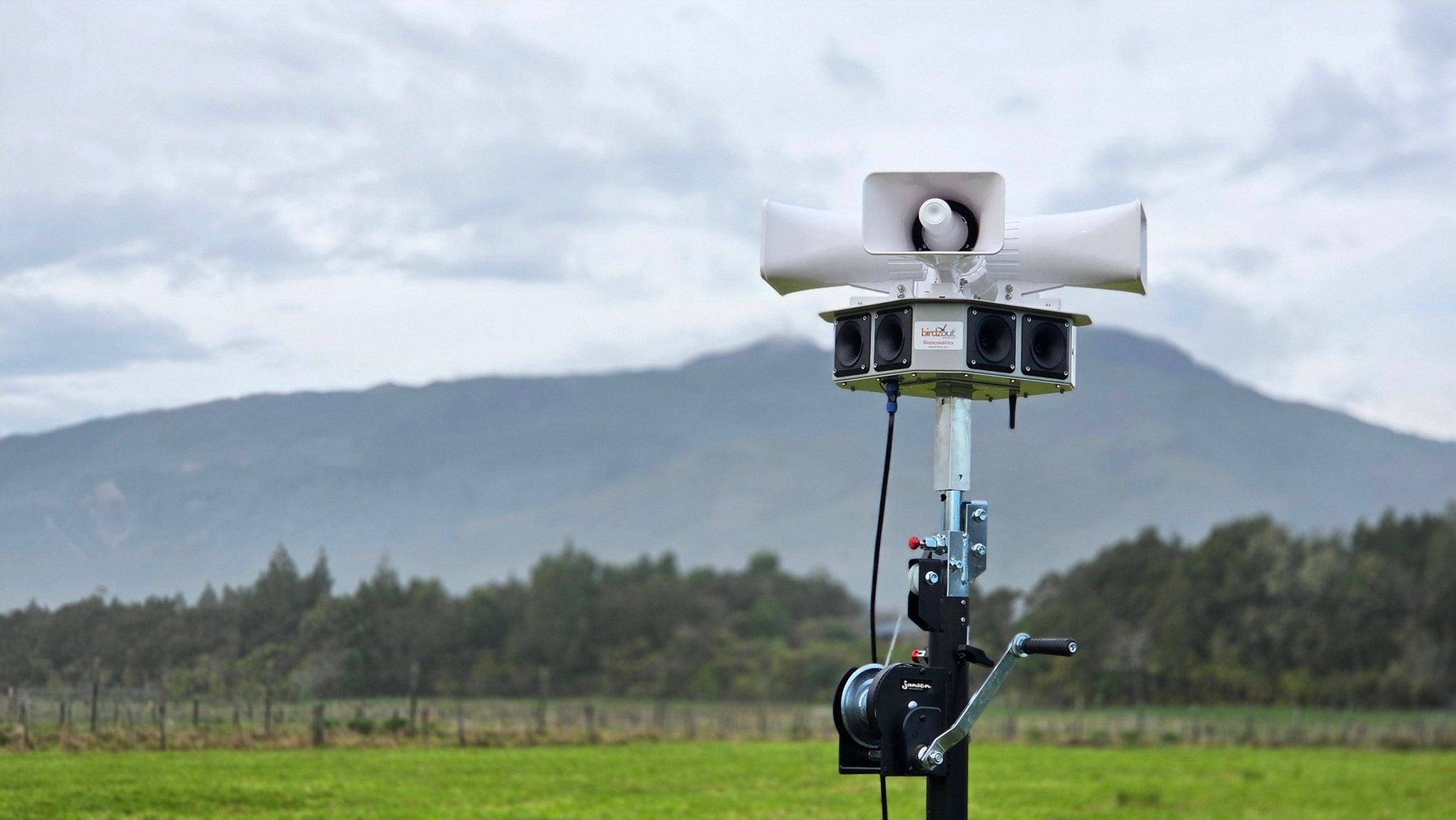
- Acoustic systems
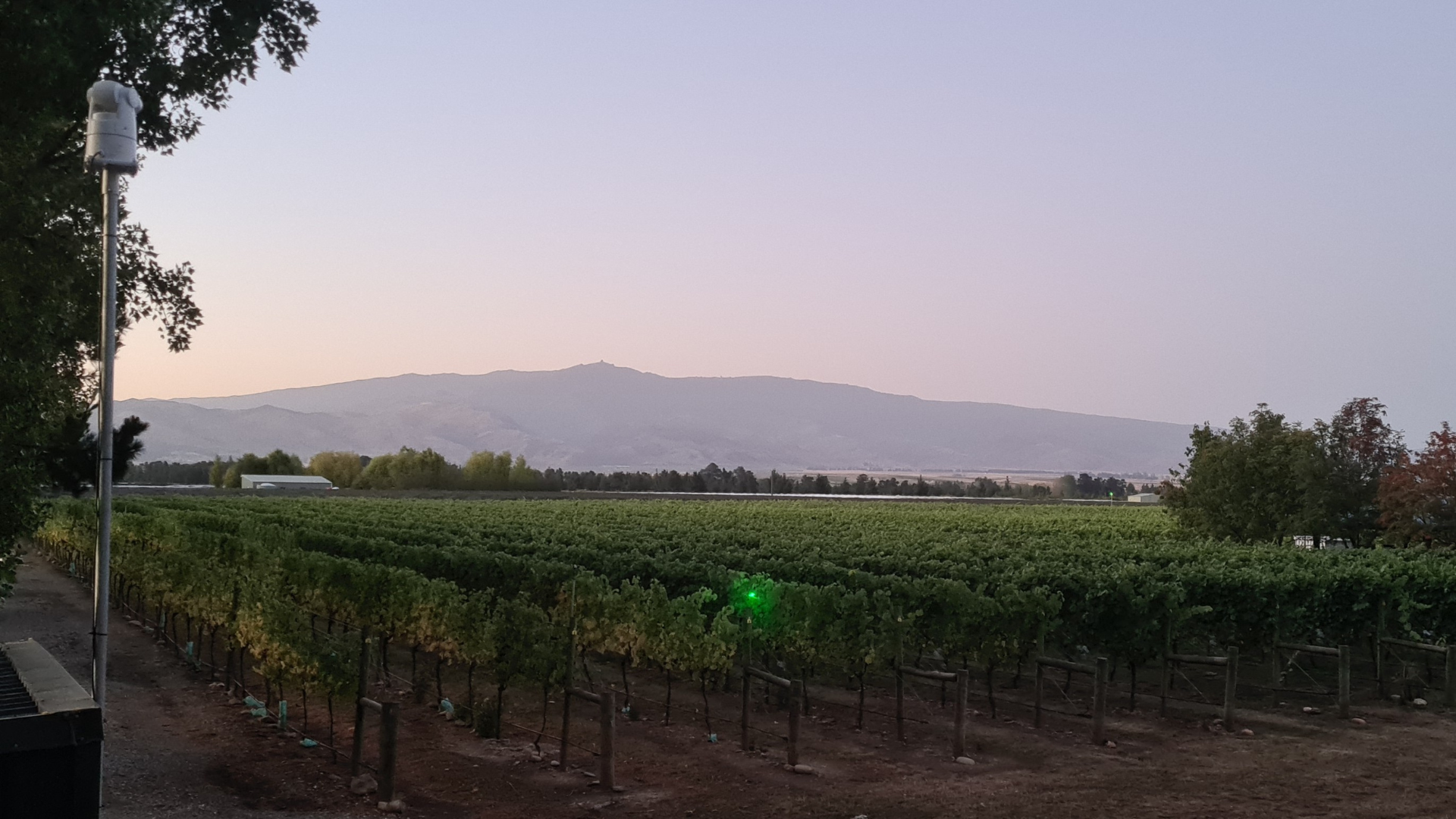
- Automated laser bird deterrents
Together, these approaches prevent birds from identifying the site as a safe place to land, feed, or roost.
The Future of Bird Control: Prevention, Not Reaction
Technology continues to evolve in bird control, with systems incorporating AI, cameras, and automated detection.
But the principle remains unchanged:
If bird control only begins after a bird is present, the risk has already occurred.
For sites where biosecurity, food safety, or contamination risk is critical, the most reliable protection is continuous, proactive deterrence across the entire site.
Because in environments where hygiene matters, bird control cannot afford to be reactive.
It has to prevent the problem before it begins.
Ready to protect your site with proactive bird deterrence?
Get in touch with our team